
Behind the Frame with J.T. McCreery & Jonathan Marzolla
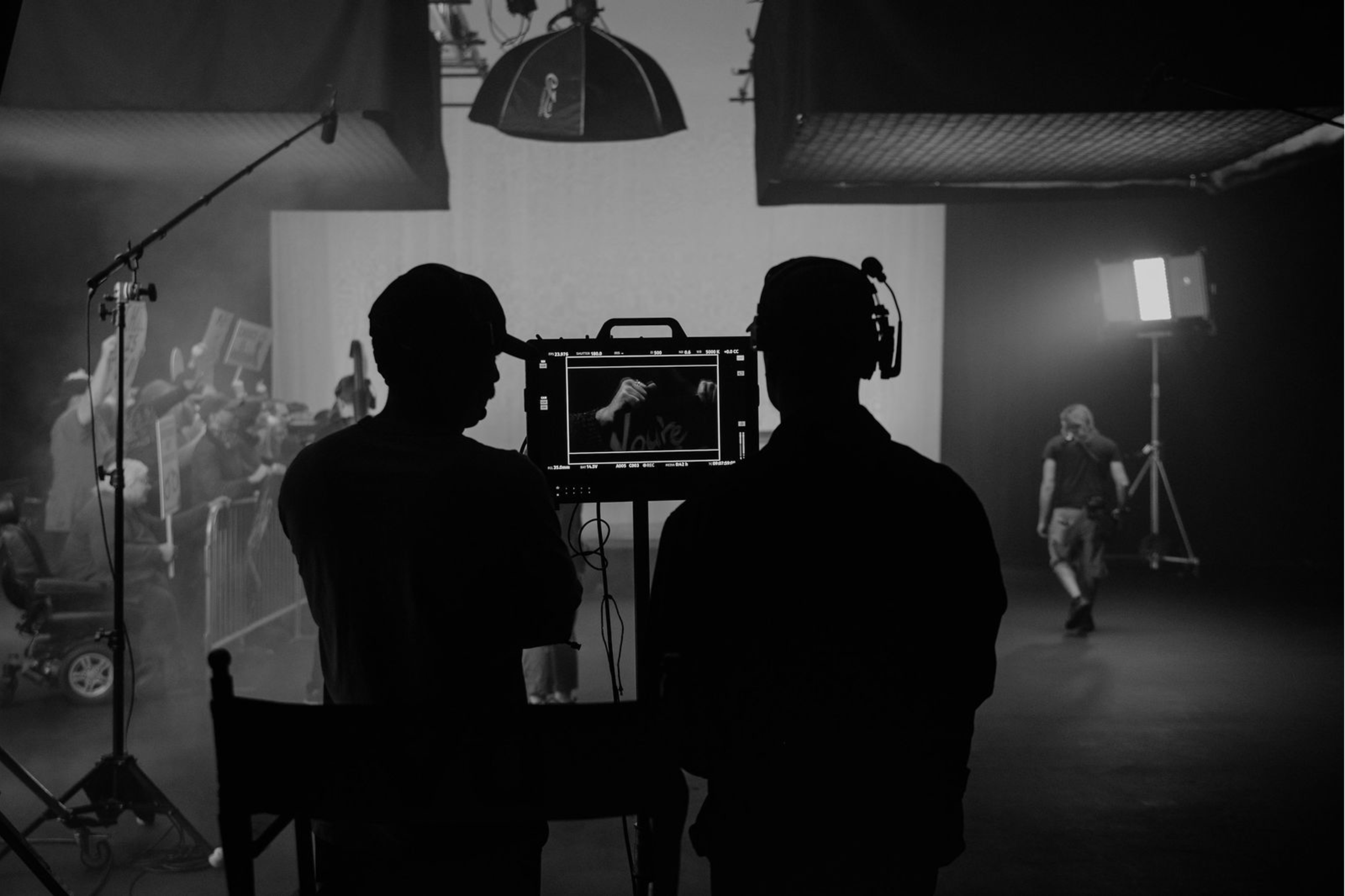
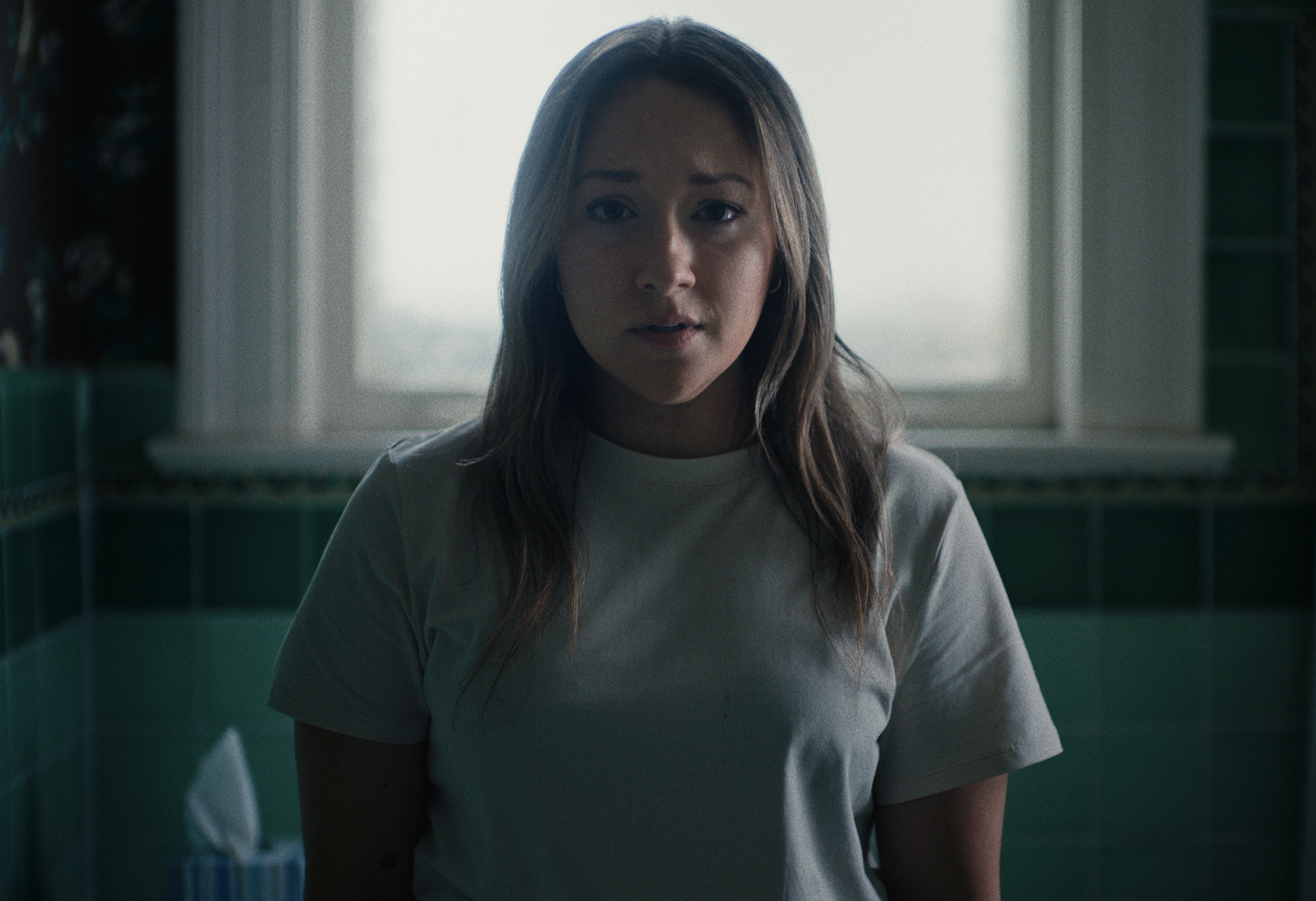
This Behind the Frame features Film Director J.T. McCreery and Director of Photography Jonathan Marzolla. They teamed together with talented Nashville crew to create an intense Super Bowl ad titled “Duality,” about a young woman’s inner struggle with societal pressures to decide how to handle an unplanned pregnancy. We got a chance to ask JT and Jonathan how they approached this serious topic creatively and philosophically. Watch the finished spot beneath the full story.
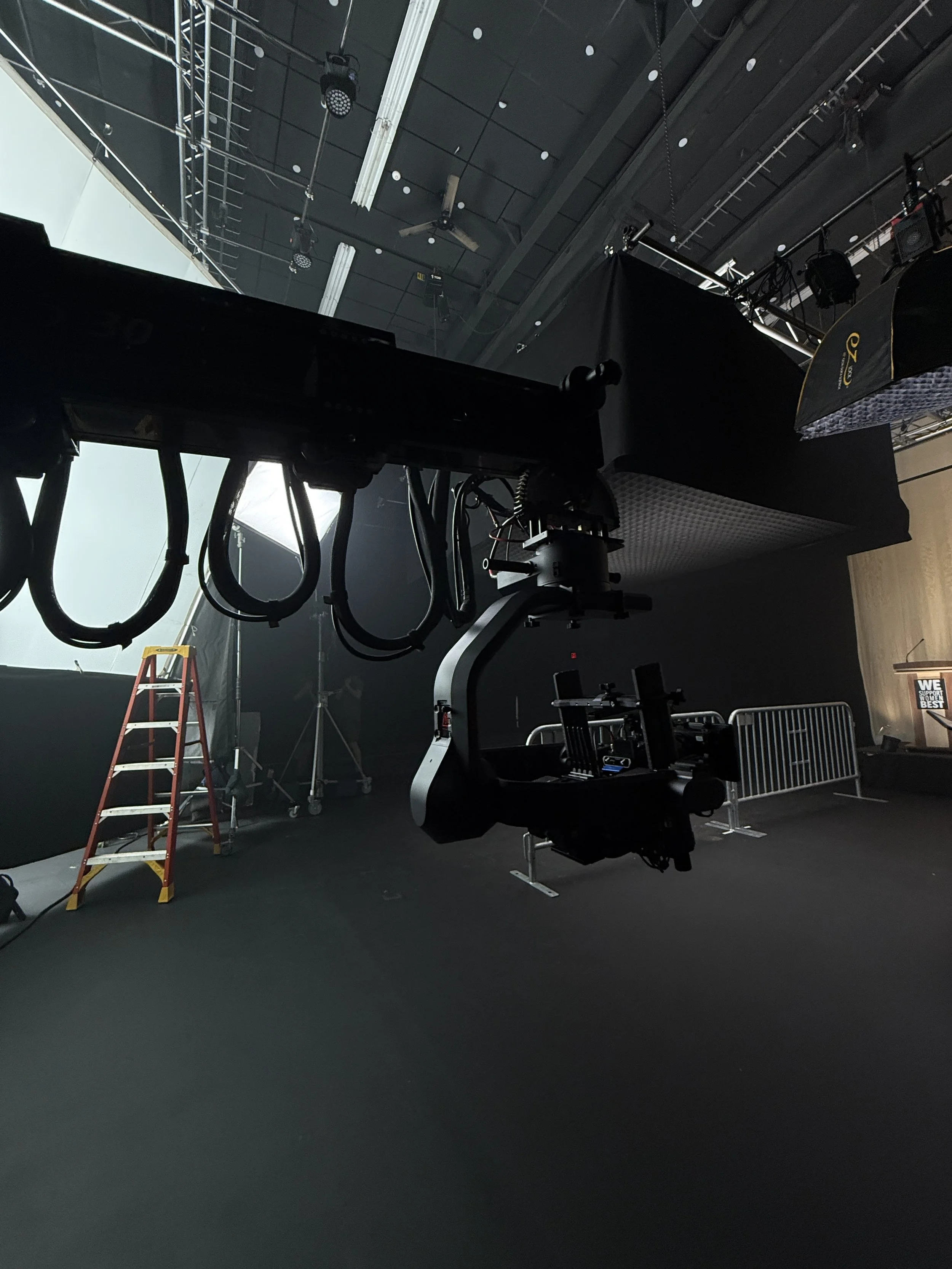
This project was shot on our ARRI Alexa Mini LF, Freefly Ember S5K High Speed Camera, and Leitz (Leica) Hugo lenses rehoused by GL Optics.
Contrast:
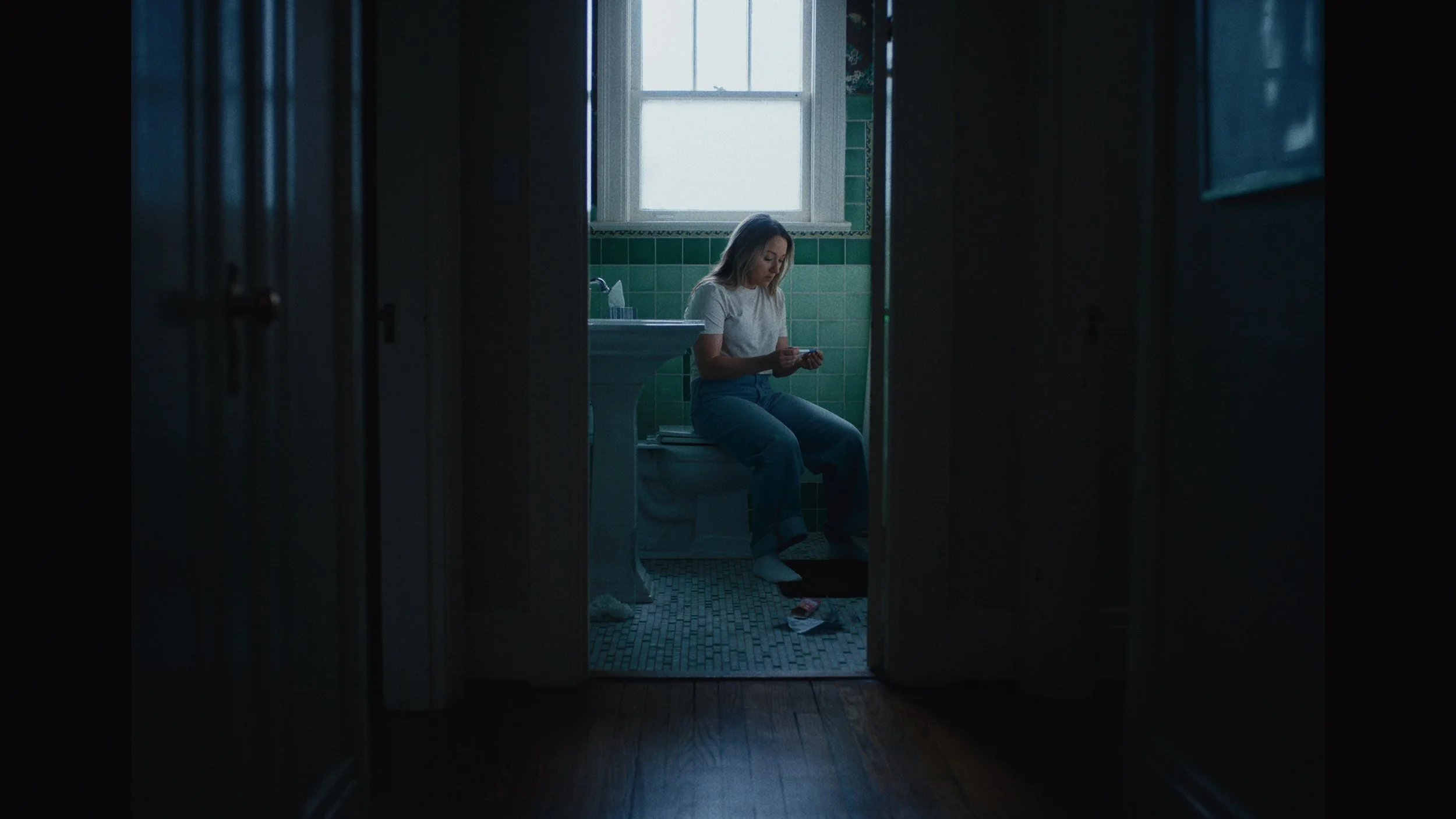
“How did you navigate directing your talent in such emotional scenes? She really seemed to feel the emotions a real mom would feel.”
J.T.:
“Netty, our lead, was so incredibly talented, and she showed up to set very well prepared. It made my job very easy, to be honest. All I really concerned myself with was trying to protect her energy early in the day. I wanted to make sure she had space to go through the earlier emotions in the progression of the narrative before getting into the much more visceral grieving and heaving moments. She was a champ, though. Even when we had to ask for big emotions over and over, she met the moment and delivered incredible performances every time. I checked in with her constantly and let her know we could take breaks, but she was all the way in, wanted to keep going, and knocked it out of the park take after take.”
Contrast:
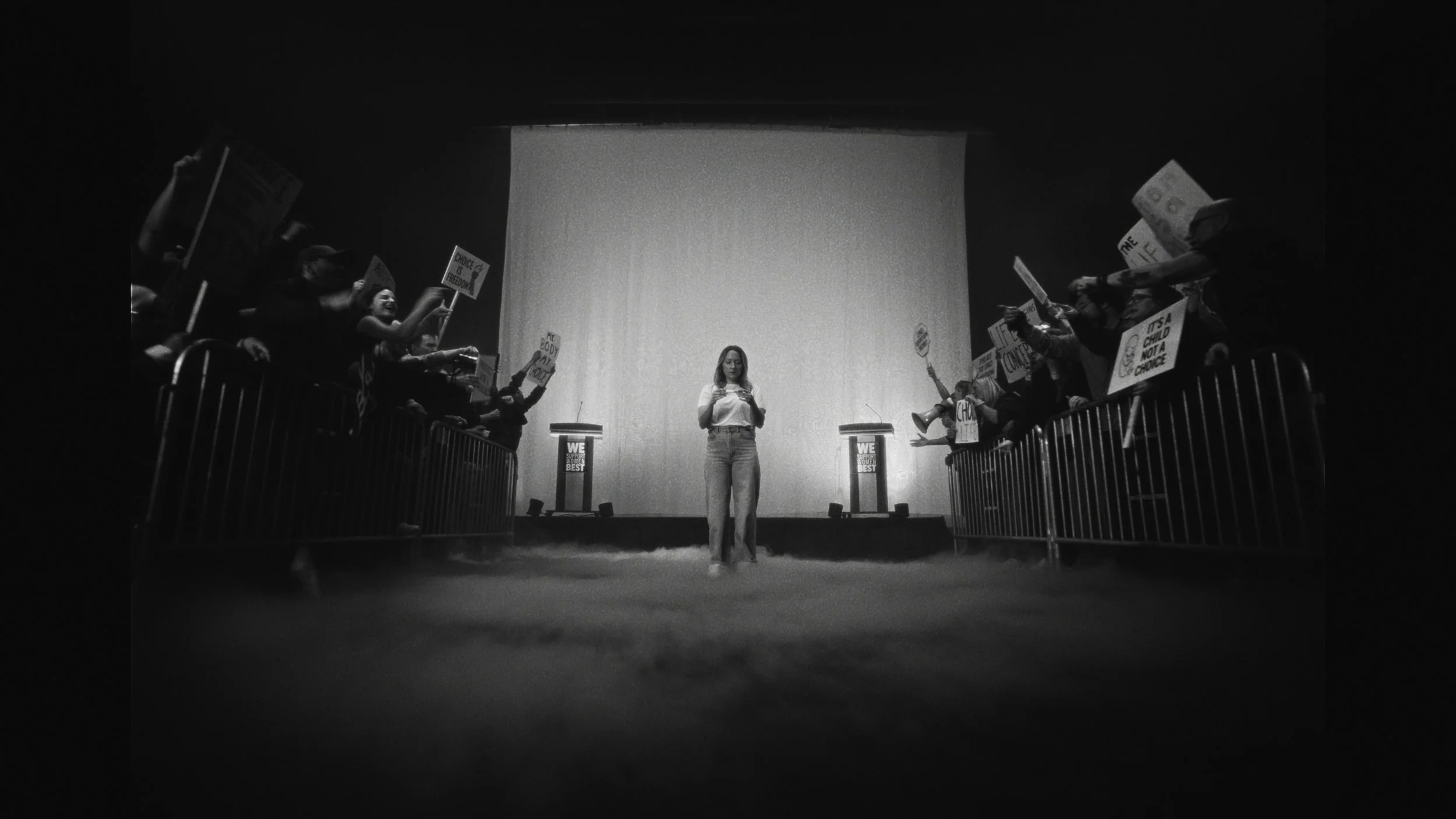
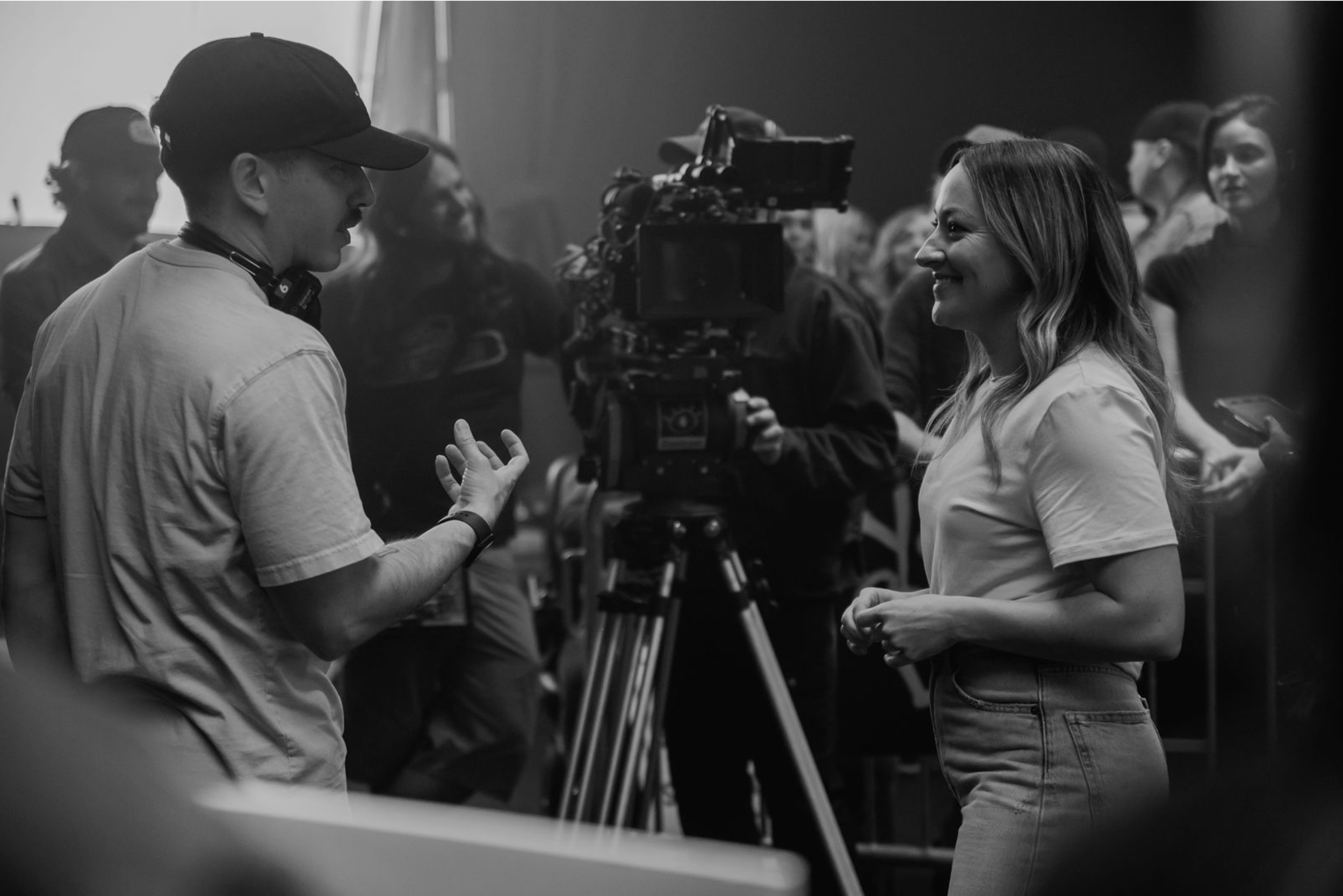
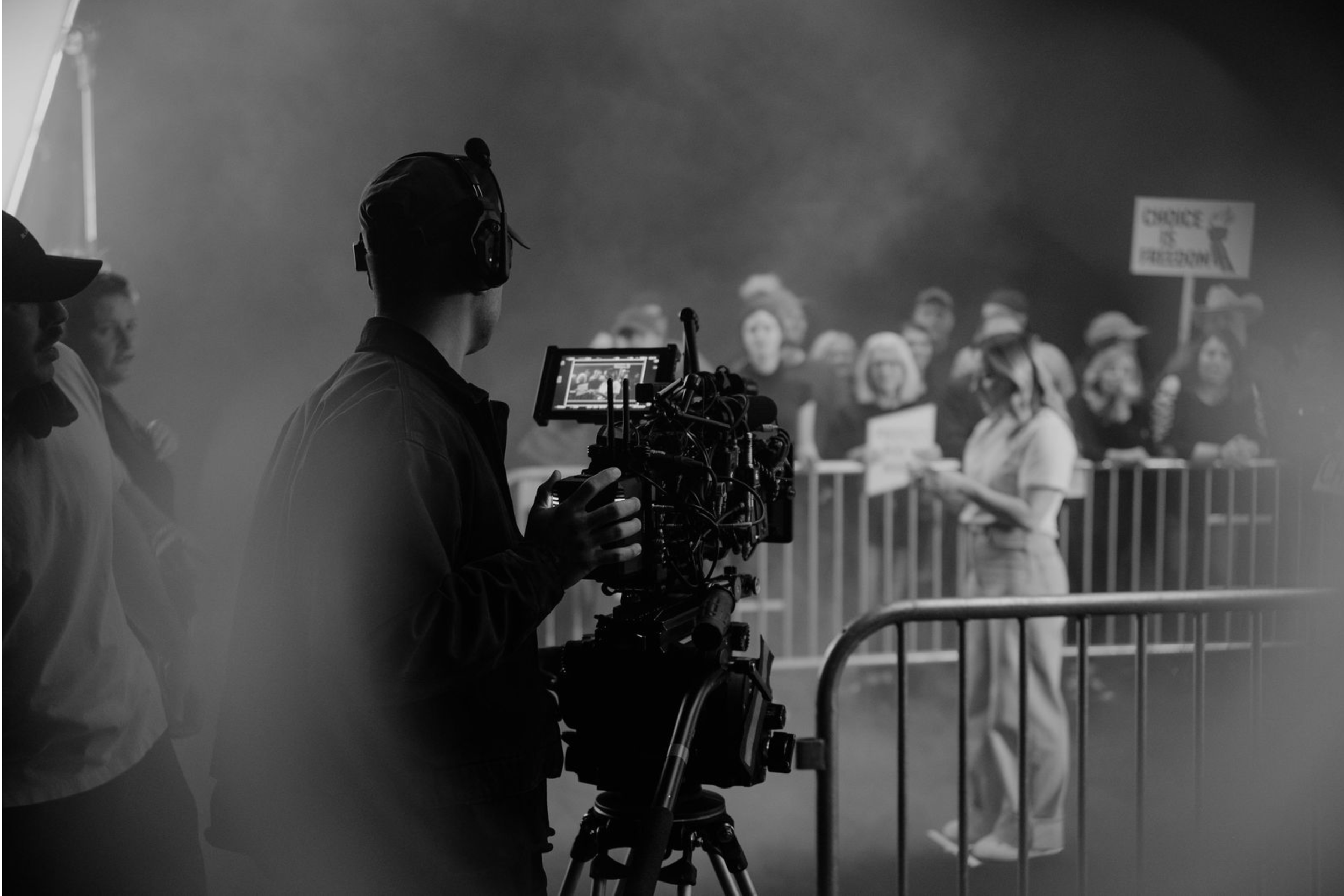
“This was such a big set with extreme camera angles. How do you approach a job like this with a huge scale?”
Jonathan:
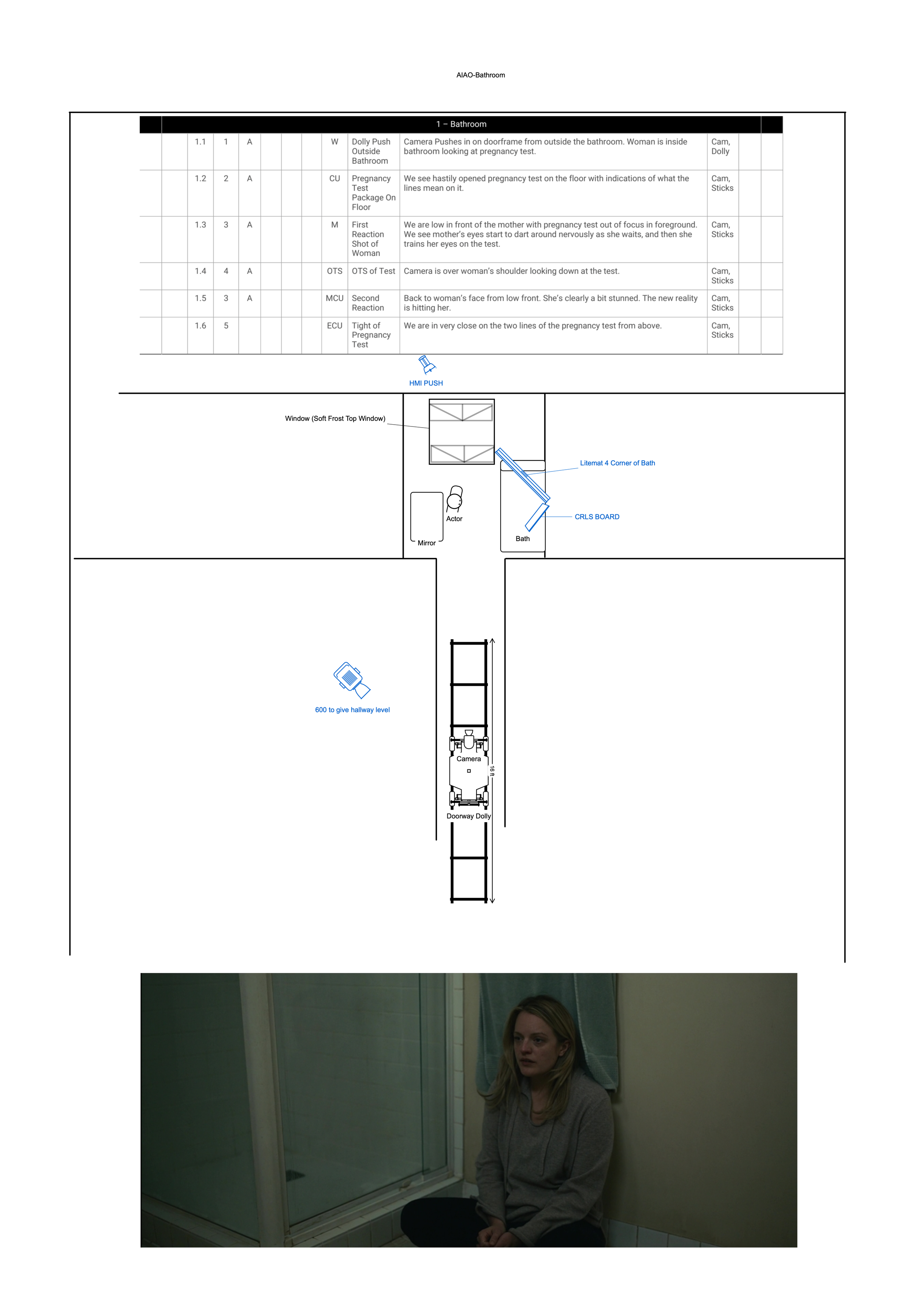
“The shot list and our AD really helped shaped the approach for me. I think if I look at a project from a birds eye view, it can get overwhelming - I like to break it down to each lens change so I have a solid plan going into each scene knowing I can be flexible because our foundation is solid. And don’t get me started on my prep documents!”
Contrast:
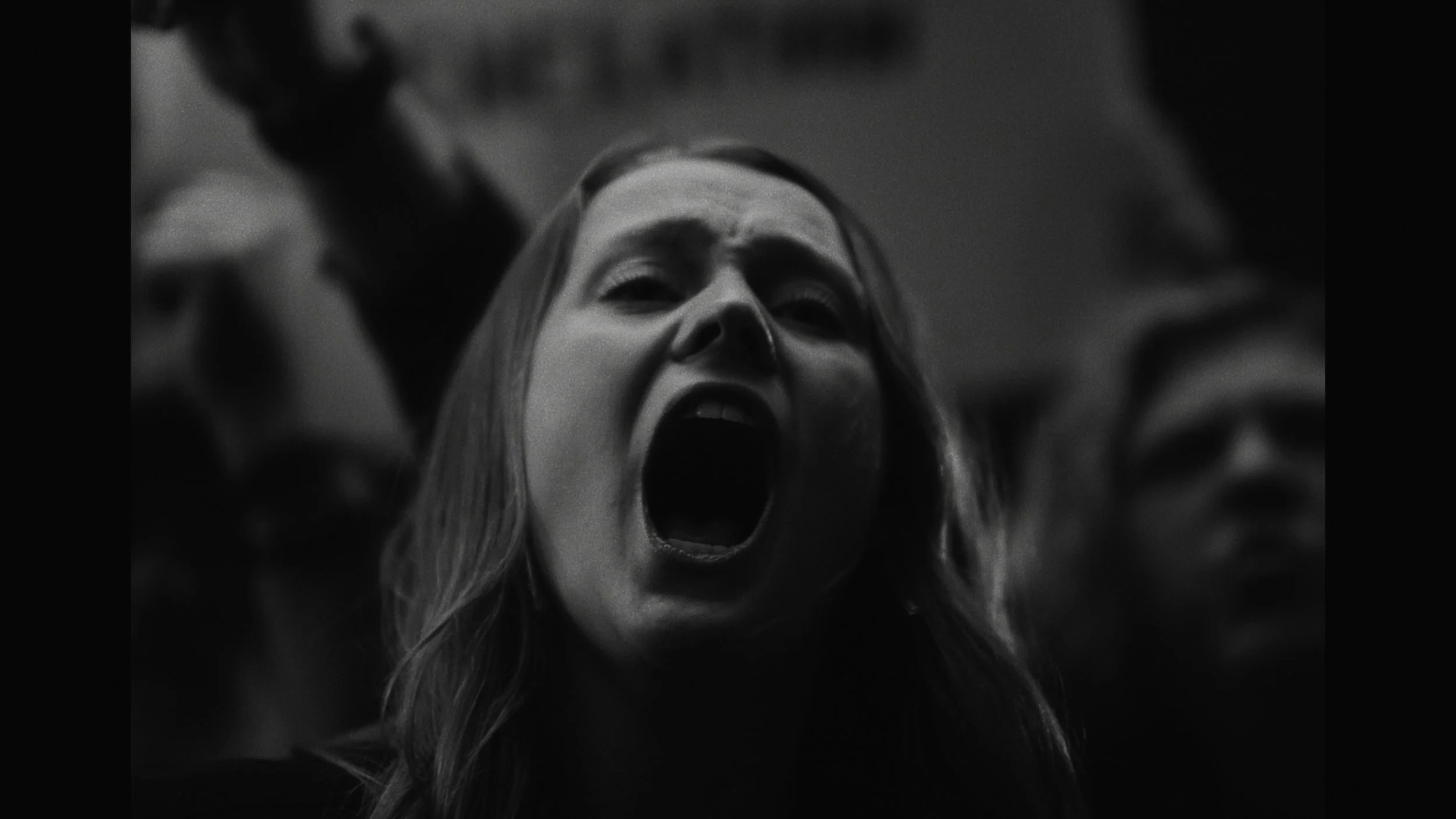
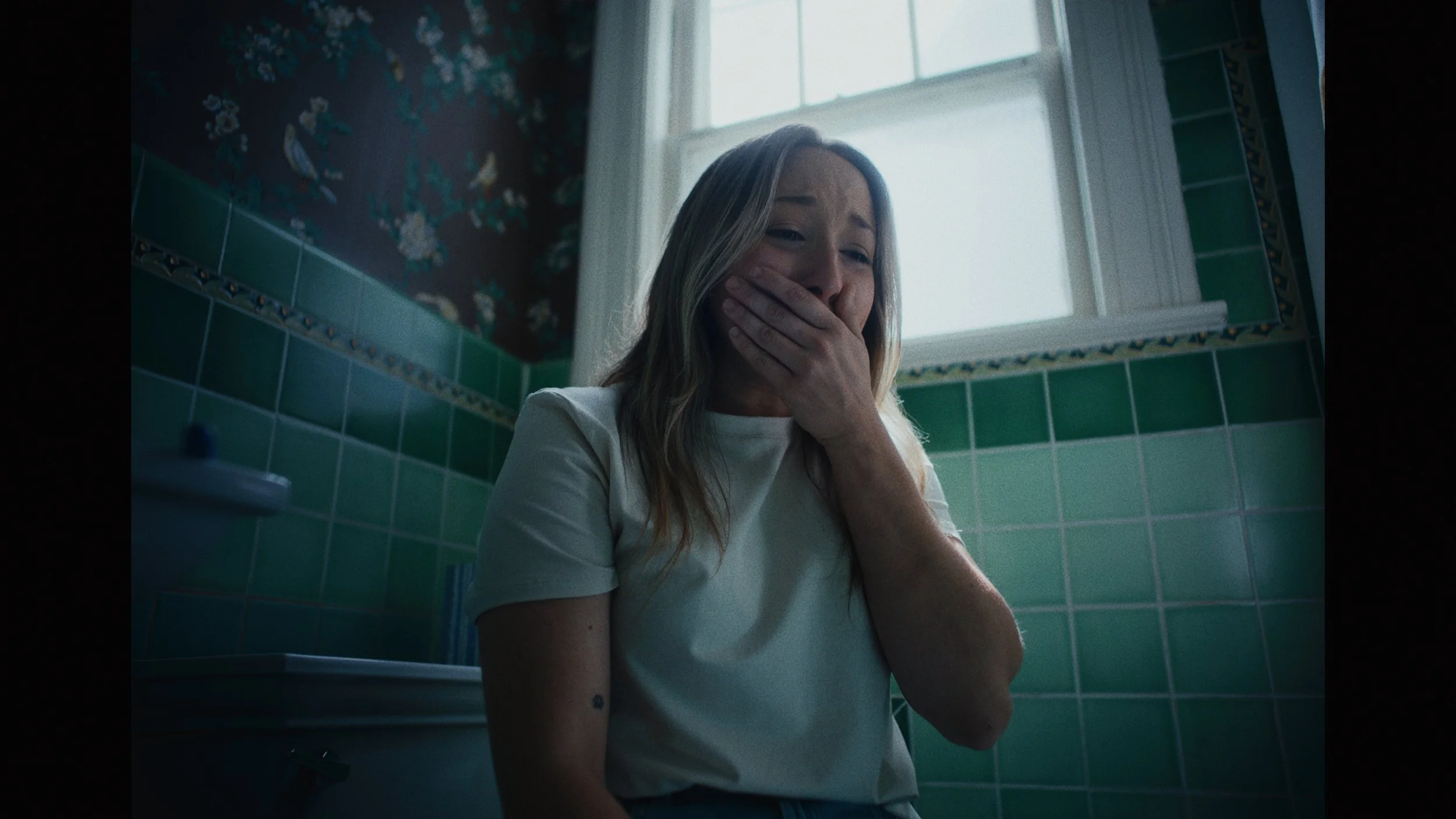
“You allowed the mother to speak without speaking. Using her emotions and expressions to say even more than words can say. How did you decide to give your main character no lines at all? Does that make the message even stronger?”
J.T.:
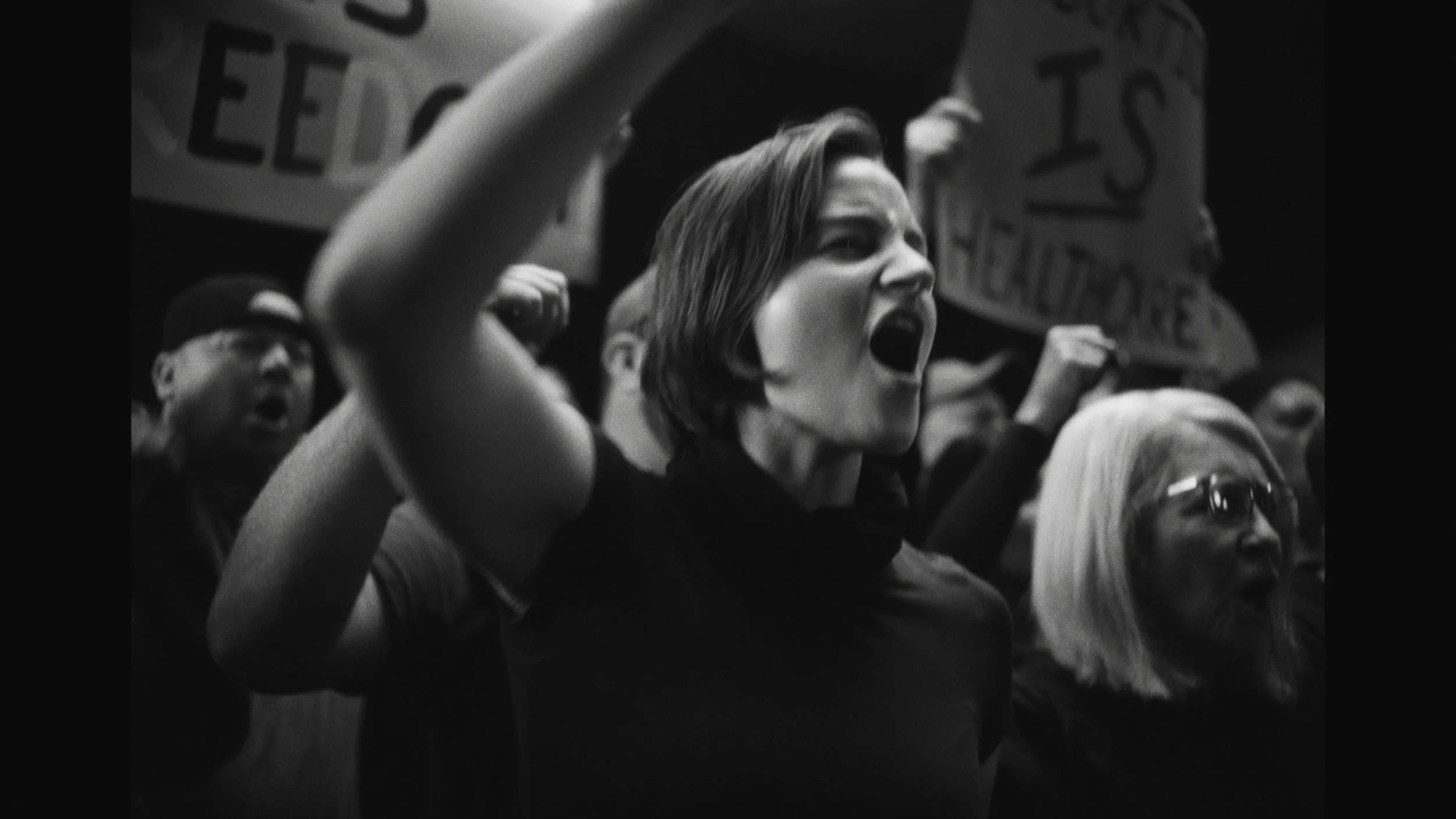
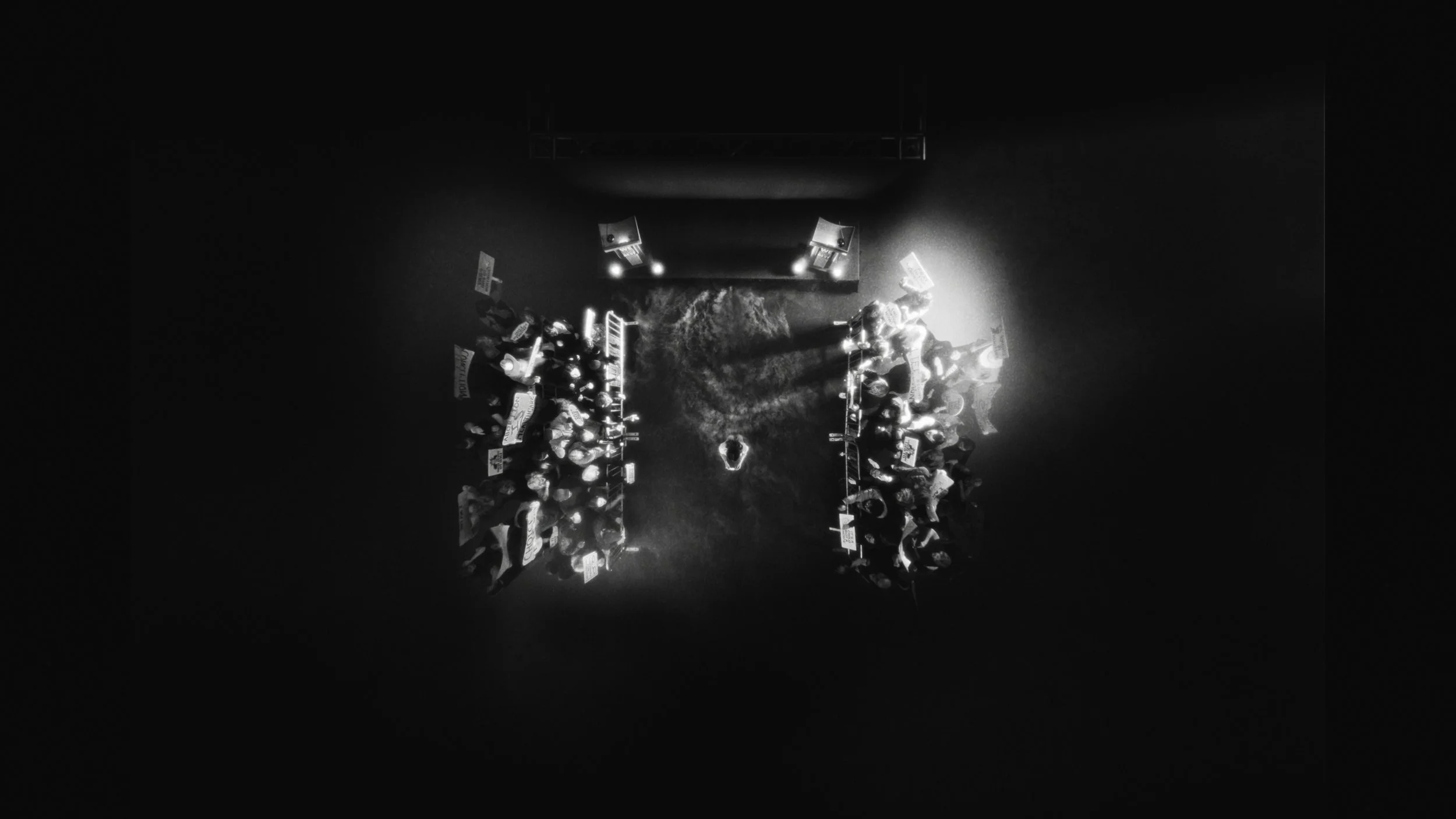
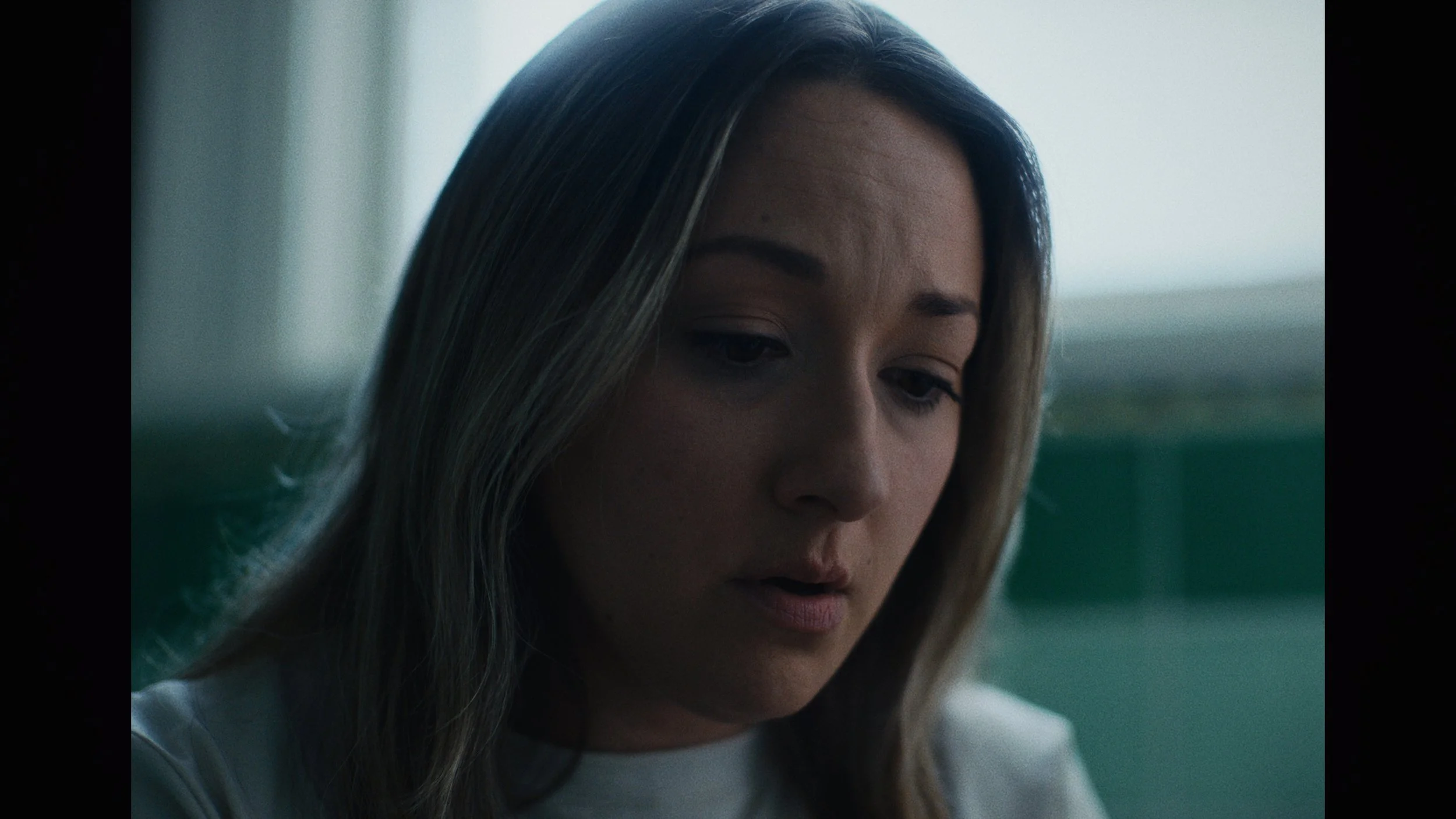
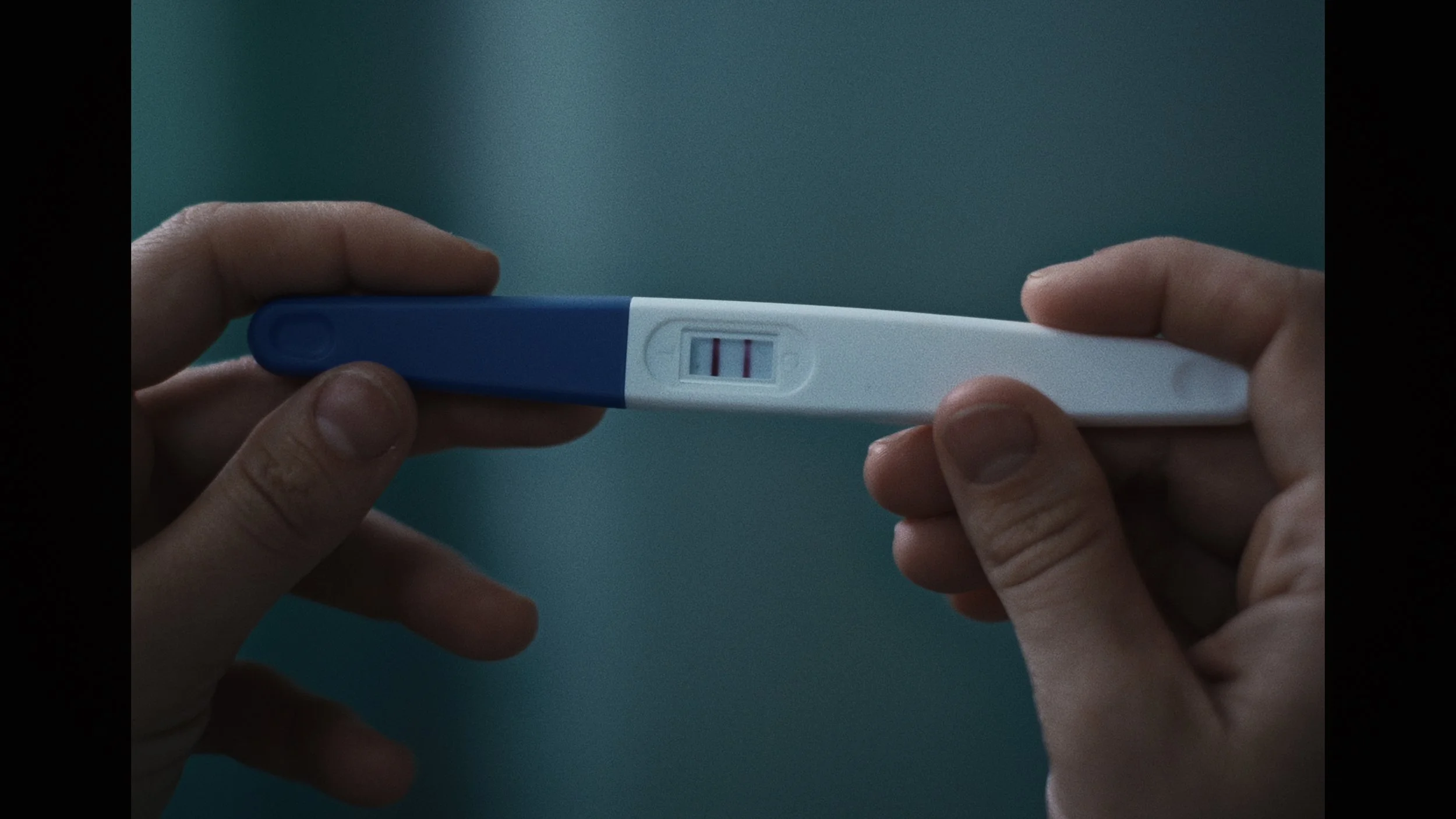
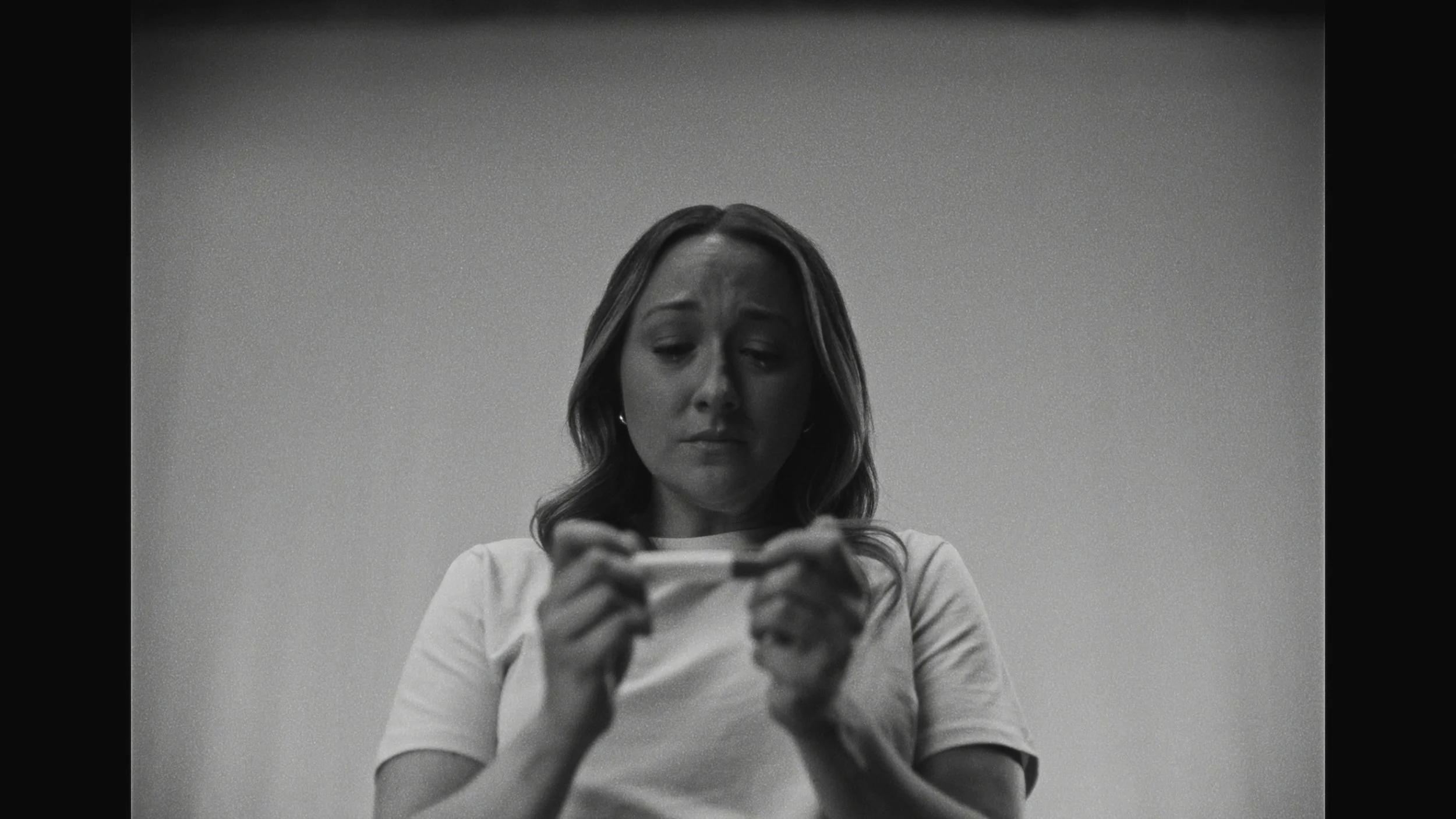
“When we were writing this, every time I'd run it in my head, I just never could get to her delivering a line. I wanted her raw emotion to do the talking. I wanted us to sit with her in this sort of breathless, wordless shock. I wanted the audience to feel just how devastating this kind of news can be and just how it might feel to sit with someone who feels as if their life has just crumbled in front of them. And now, in the aftermath, I feel as if it is more powerful to see how everyone around her is ready to not just speak but scream before she even has a chance to catch her breath. I didn't have that in my head at the time, but I can see it now. I think that speaks to the crux of the whole piece, which is that we need ot make space to simply sit with women who experience a situation like this one and just empathize. Let's agree that this is a difficult and traumatic experience, and maybe we can have a better conversation if that empathy is what first animates it.”
Contrast:
“What styles of camera movement, frame rates, and color profiles did you mix to give the spot dimension and emotion?”
Jonathan:
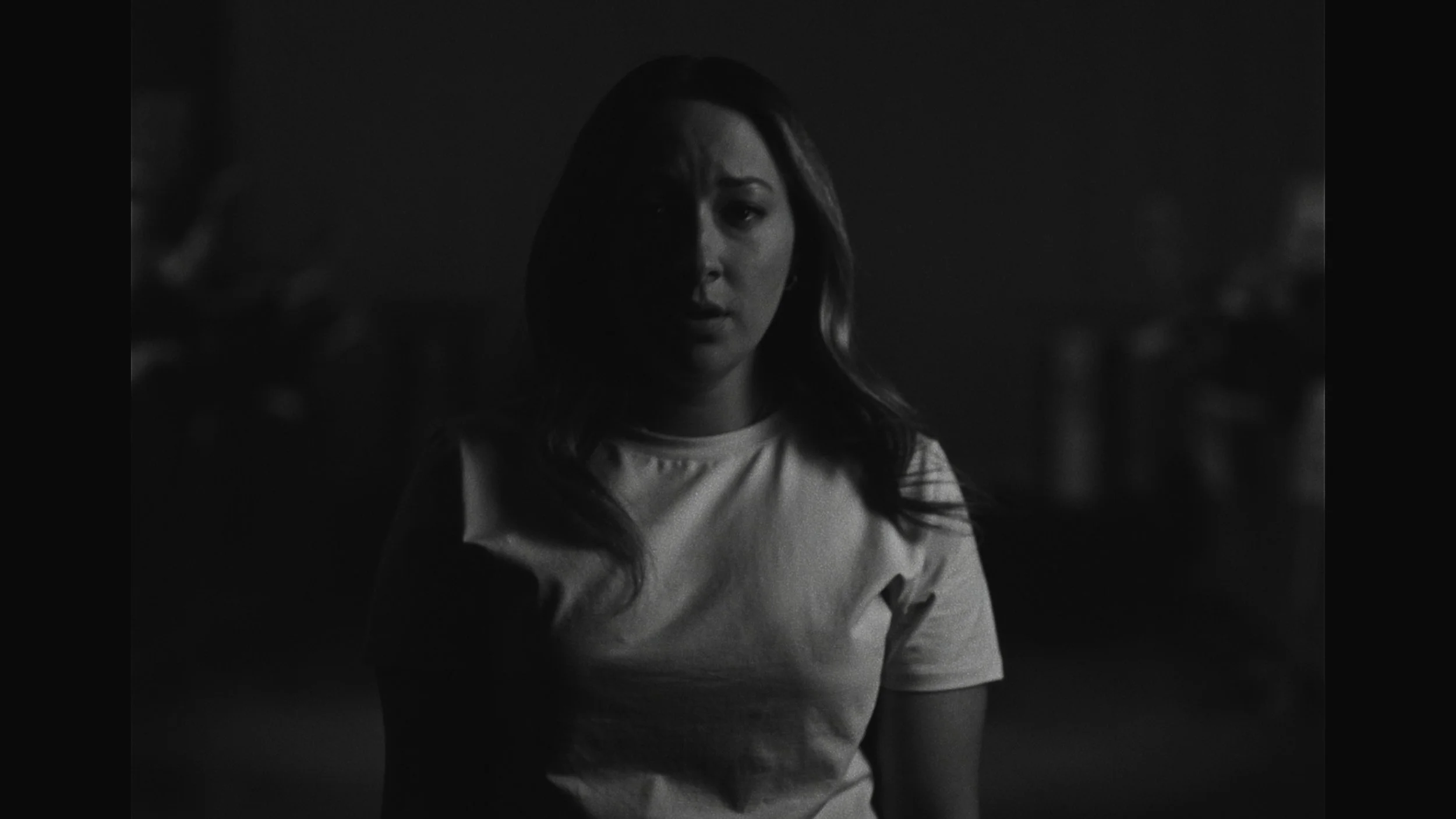
“From a FPS perspective I think we did 600+ frames, real time, and some weird 12 frames type vibes. We loaded some custom LUTS and lit to B&W LUT knowing that’s what the final piece was going to be. From camera movement, we did everything from chaotic handheld to smooth techno to really emphasize our moments.”
Contrast:
“In such a chaotic world, how does this affect your role and purpose as a director?”
J.T.:
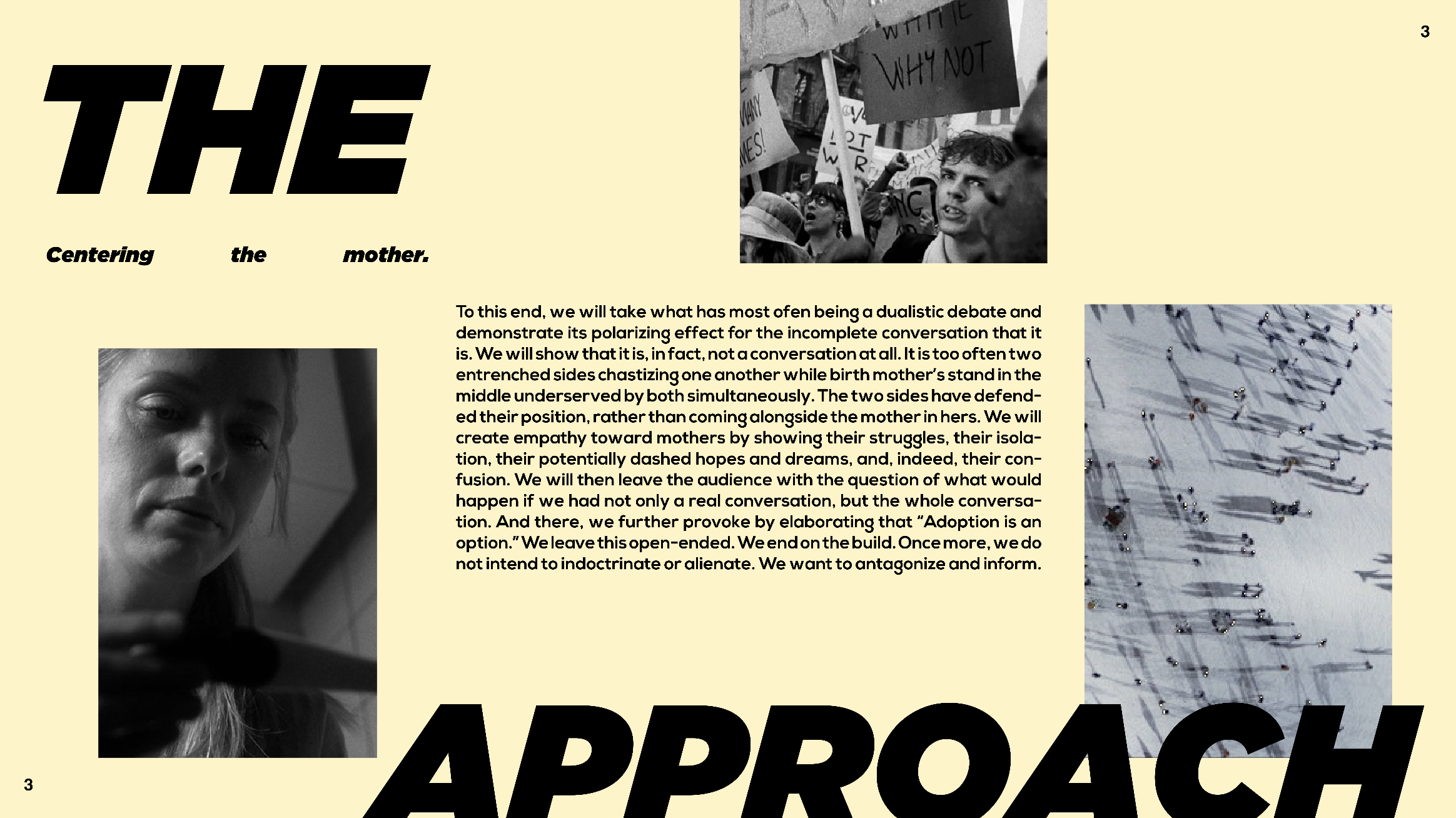
“Moral imagination is at a premium in our age, and it is what I hope to attain and articulate in some measure when I get to make something this deeply personal and emotional. We run the great empathy machine, all of us in film. We get a chance to paint old and worn canvases with new brushes and fresh color. Where the dust has settled in the minds of our audiences, we get to at least attempt to come in and agitate. To kick that dust up a bit and perhaps foster greater compassion and clarity in our audiences' minds. Maybe I will always fail at that, but it's worth the attempt.”
Contrast:
“What was the biggest challenge you faced on set or on this job? With so many moving parts on set, how do you hone in and isolate what's absolutely essential to film?”
Jonathan:
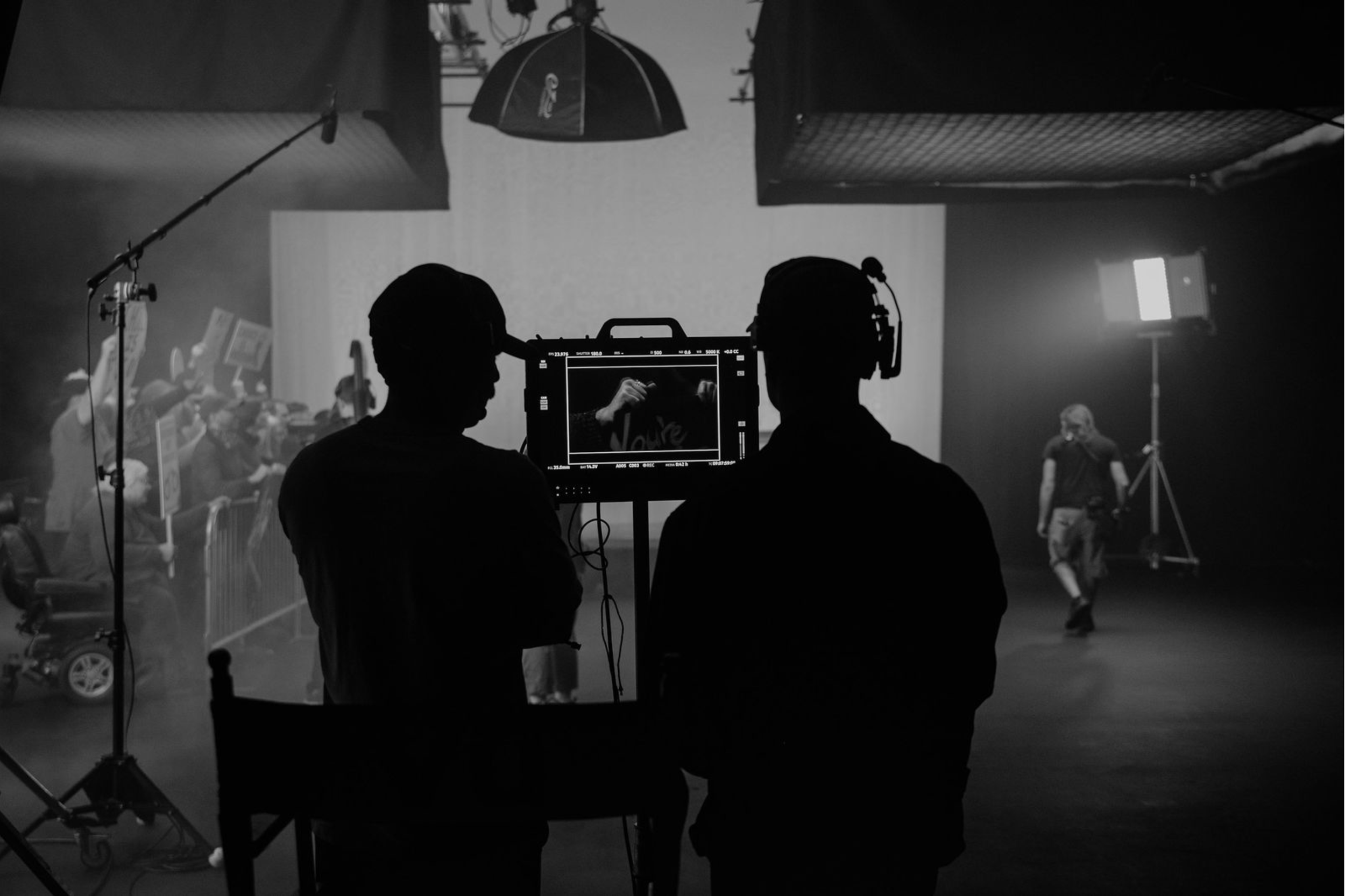
“I would say two things: matching a high speed camera from a completely different brand to the Mini LF, and my other challenge would be, since we used every tool in the book, making those feel intentional and not just because we could. Between our AD really helping us define our schedule and being a champion of JT’s vision, it was a constant reminder on what’s important to keep and what’s not.”
Contrast:
“Do you like leaving your audience with a clear message? Or leaving things open to interpretation?”
J.T.:
“I heard someone say that an artist's greatest asset is the audience's imagination. I always am tempted to leave things clean and wrapped up, even though the art that moves me is always more open-ended and ambiguous. Even in the early drafts of this piece, I had a pretty nice and neat ending. Thankfully, the client did not want that and pushed for something with more ambiguity. That was the right call. I love leaving things open-ended but often lack the courage to follow through on that. It's more powerful to let the audience arrive at an idea than to lead them directly to it. I think art has more staying power that way.”
Contrast:
“What was the most important part of pre-production and working with J.T.?”
Jonathan:
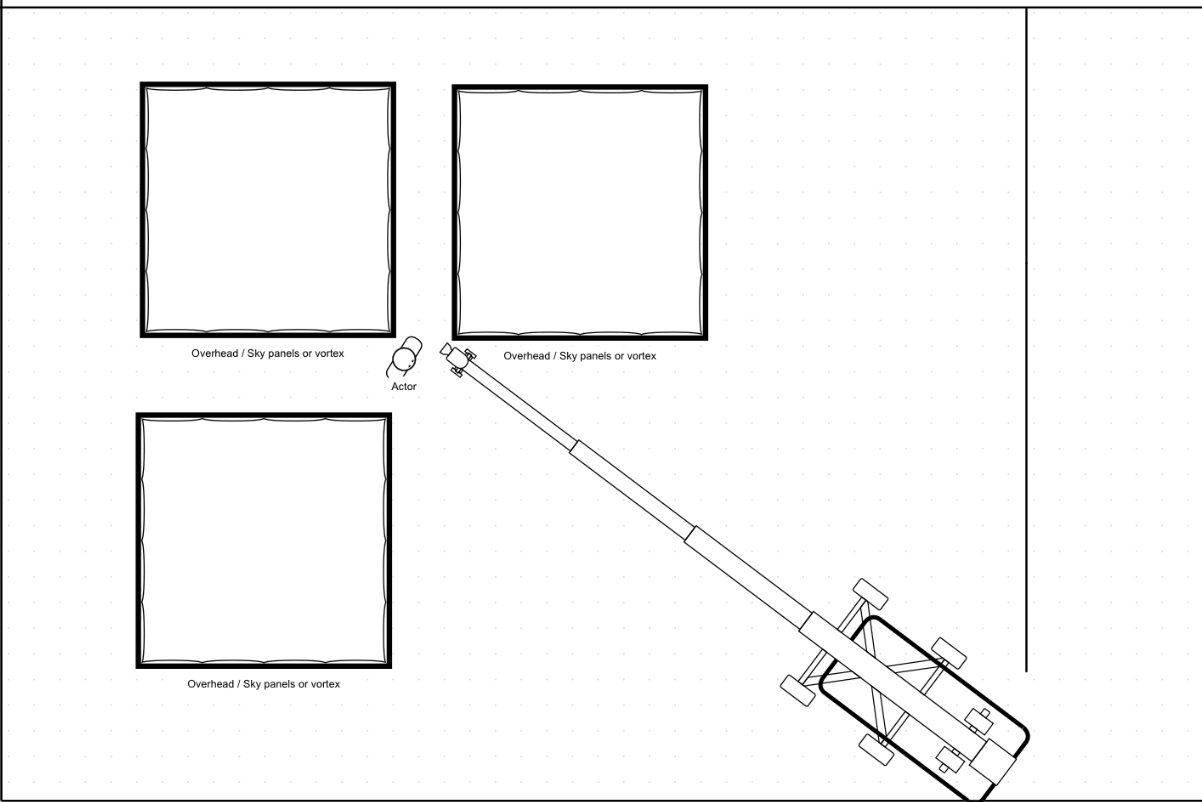
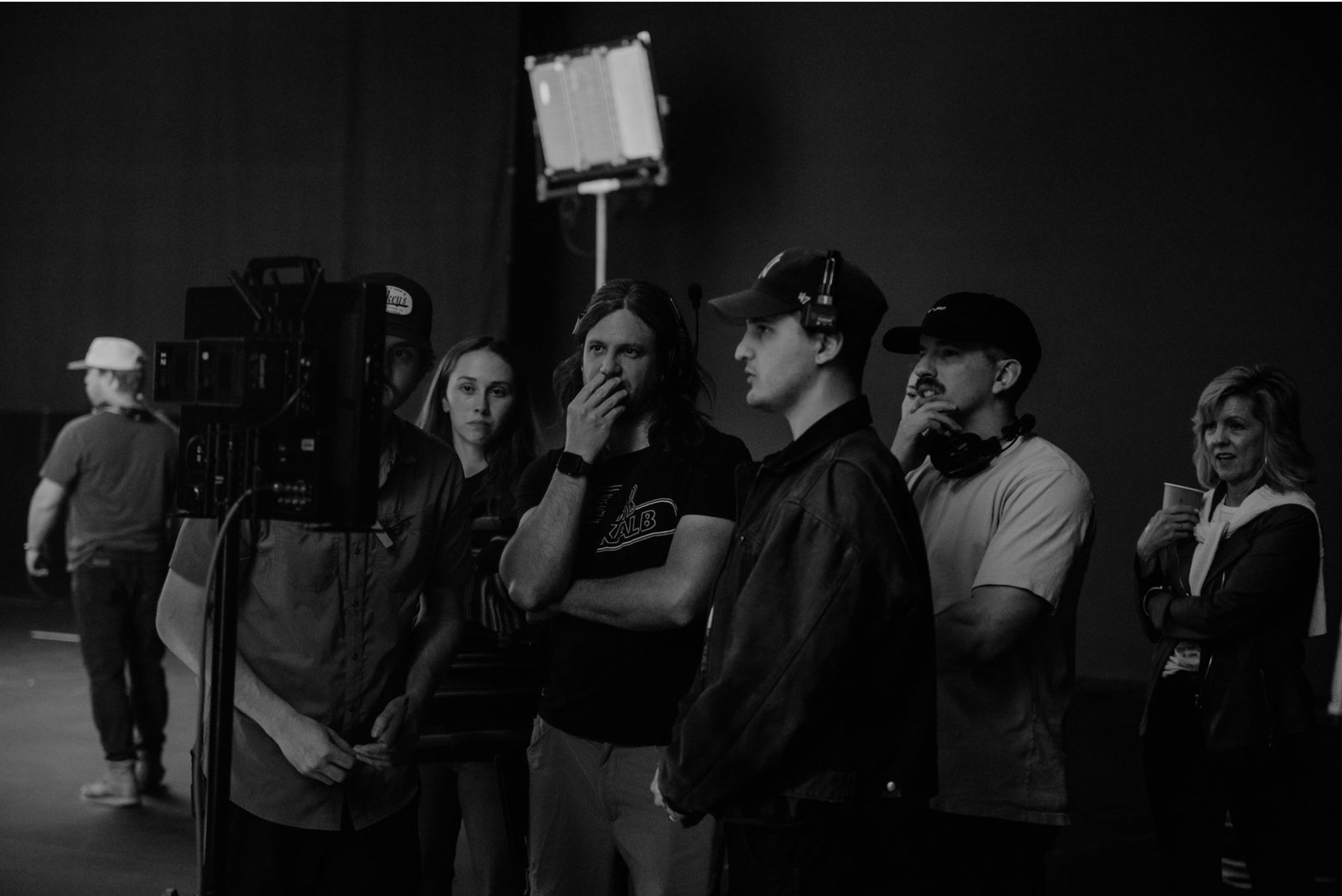
“With location changes, multiple different camera tools, huge lighting setups from the biggest sound stage in town to a small lighting setup in the tiniest bathroom I’ve ever seen, it was so important to get as macro as possible in our pre pro. And then to side bar with so many different departments of our plans is vitally important to a project this size. I think him and I have a little bit of a shorthand as far as working together goes (we’ve been friends for a bit) so working with him maybe was even more important to me because we are friends and I wanted to see him succeed on even that more personal level.”
Contrast:
“What about Jonathan's style drew you to work with him to execute this particular vision?”
J.T.:
“Jon and I have been friends for a few years now, and we've always had similar sensibilities about film. His work speaks for itself, of course. So it wasn't hard to choose him from a proficiency standpoint. But I knew what kind of images and films moved him and the care and artistry he would bring to a narrative piece this dense and emotional. He asked great questions in the early going and did so much to edify the visual language of the piece so quickly that I knew we had the right person for the job. He's always had a way of making the subject in front of the camera feel close, as if the space between subject and audience is uncommonly thin. I think you feel that in this piece, and I believe that's why it will move people. I'm honored Jon chose to lend his immense talent to this project.”
Contrast:
“How do you hope the visuals leave viewers feeling?”
Jonathan:
“Hopefully a window into this person’s life, in reality letting the viewer feel however they want to feel about it, I think that’s the beauty of film.”
Contrast:
“Share anything about the project that was special to you that we didn't ask about.”
J.T.:
“Passions around this topic run hot. I was very nervous about towing the right line in this process and occupying a third space in the conversation surrounding this topic not just with the product but also with the process. We were very clear with our crew and talent what we wanted to achieve with this piece, and I was blown away with the diversity of viewpoint and lived experience in all of those who showed up to put their efforts into making this commercial. The spirit of the set was so warm and welcoming. People who I know are passionate about this topic from very different sides all came together to make this product and process the best it could be. There were so many wonderful stories of human connection on the set, and that gives me hope that there will be more of those beautiful human connections fostered by the piece itself as it ventures out into the world. I'm hoping the unity and compassion on set is borne out in the broader social and cultural landscape.”
Jonathan:
“I think it’s incredible that we can make something as big as a Super Bowl commercial with the community of Nashville and the tools we need are all here, it shows the depth of our city’s talent.”
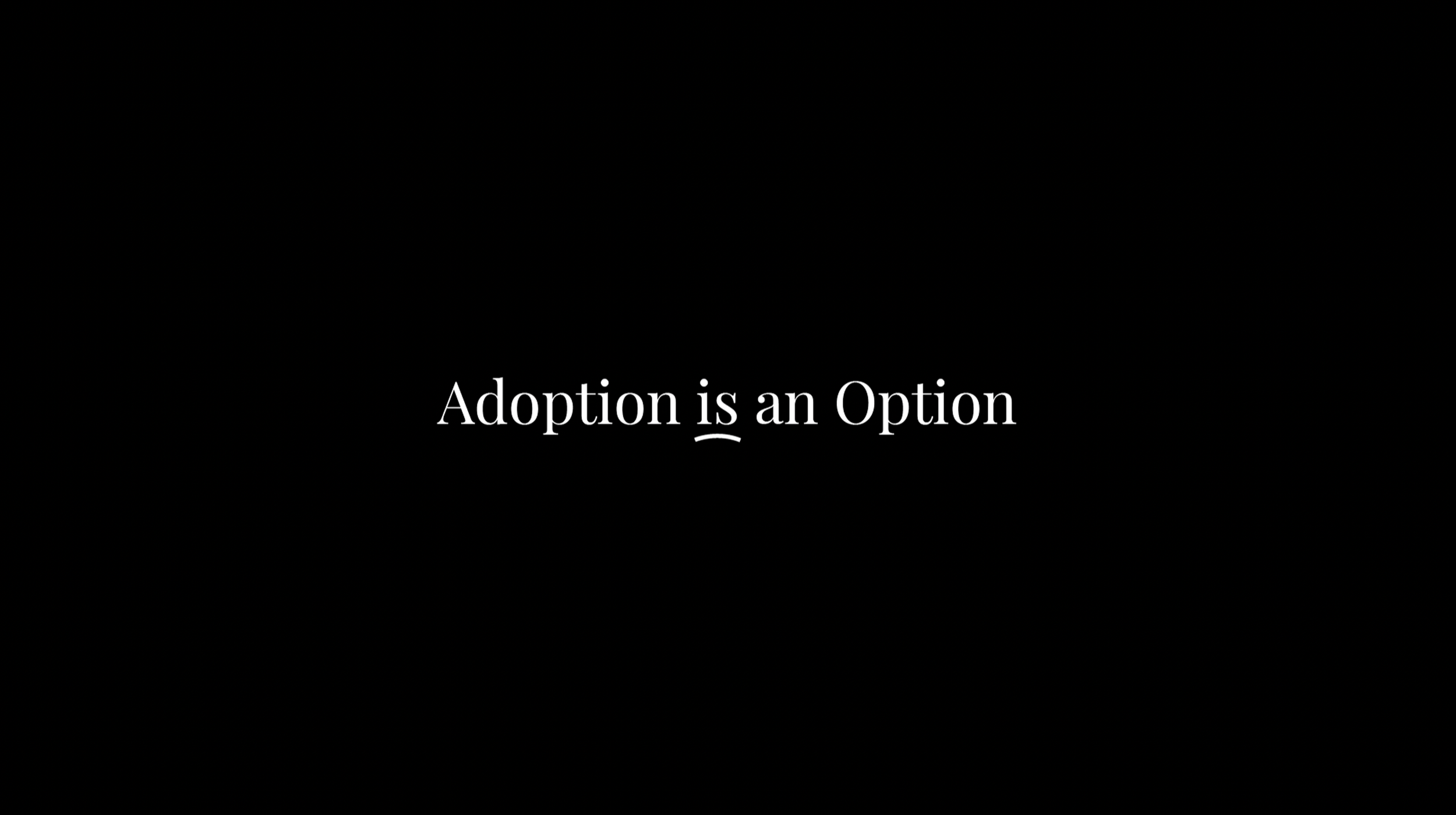
WATCH THE TOUCHING FINAL SPOT HERE